Vitor Farago
Vitor Farago

Vitor Farago

Brazilian web designer at @studiooviss. Framer websites with clear structure, intuitive UX, and performance from start to launch.

Creator4 Listings
Vitor Farago
Vitor Farago1w

Editing a question in the CMS, and the answer updating as I type.

That part every CMS component does. The part you can't see in this video is the one I built it for: the FAQ schema changed at the same moment.

FAQ schema usually lives in the page's Custom Code, written by hand. It can't see your CMS. So the second someone edits a row like this, the schema is out of date and nothing tells you. The page says twelve questions, the schema still says eight.

Here it's assembled from the same strings that render. One edit, both change. There is no second copy to remember.

It's called CMS FAQ Accordion, it's on my profile, and the best part of all: it's free!

Vitor Farago
Vitor Faragoin Gallery·2w

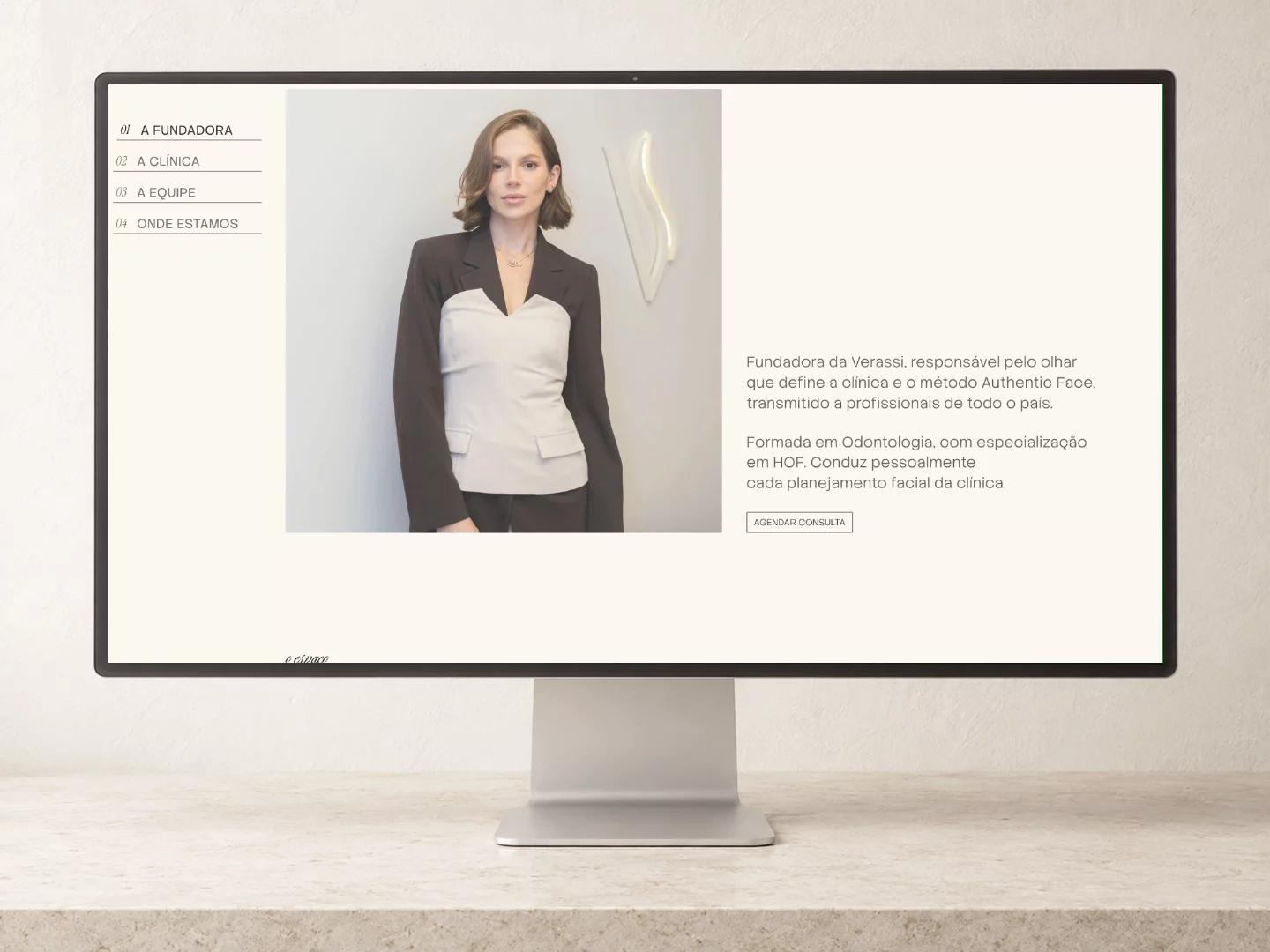
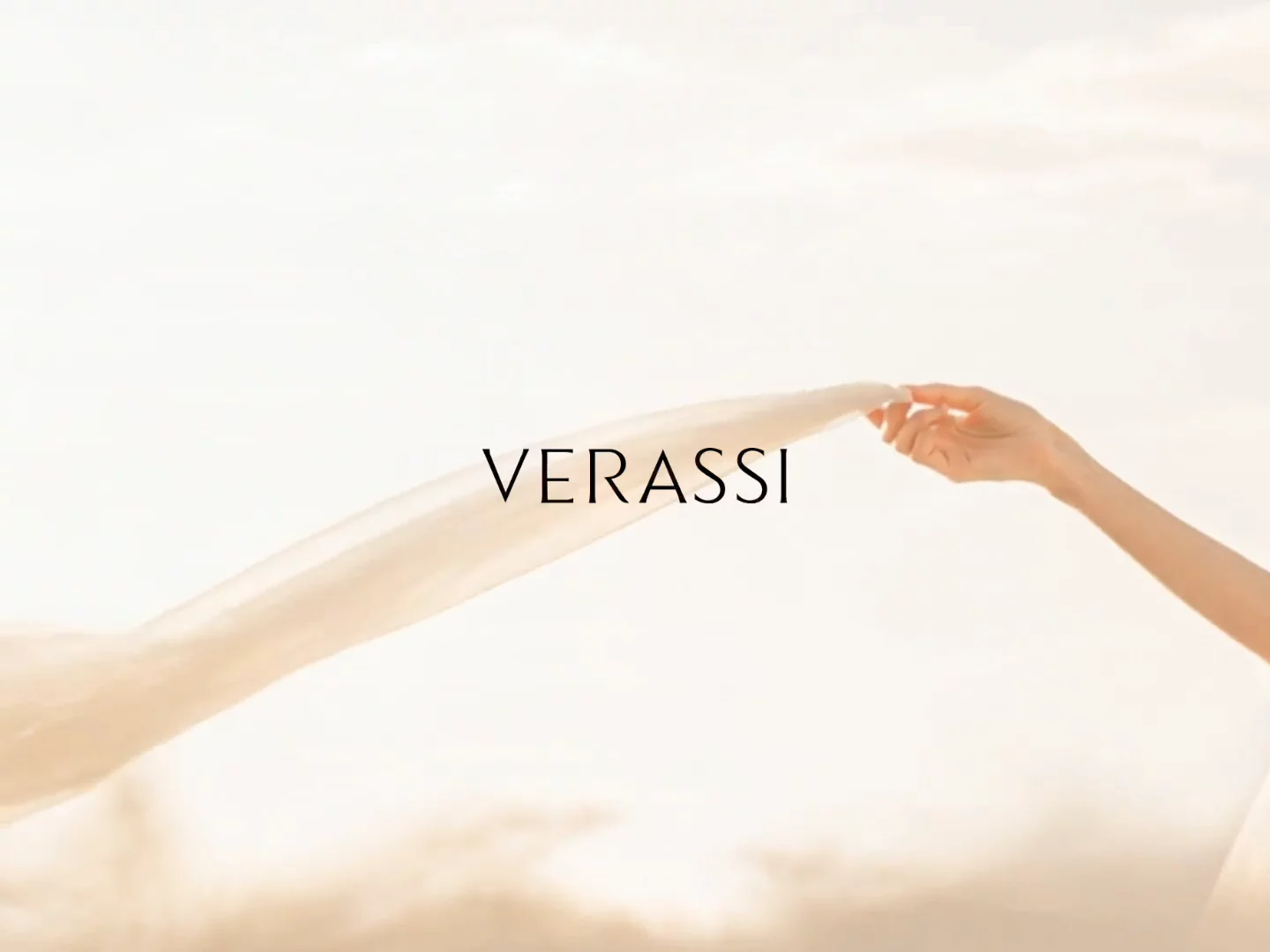
Just published Clínica Verassi, an aesthetics clinic in Brazil.

The brand line is "the art of revealing what is already genuinely yours." So we built the site so that nothing arrives. Everything is uncovered.

Text rises line by line out of a mask. A word lights up as you read past it. A button draws its own outline before you press it. The before-and-after cases are not a crossfade, they are a divider you pull across the face yourself.

Studio Viss did the brand direction, the identity and the site. Every section runs on a code component written for that section, which is also what keeps it light: hover is CSS with no listeners, timers only run while their section is on screen, one image loads eager and twelve lazy.

The decision I would argue for: settle the motion vocabulary from the brand idea before opening the canvas. Every later choice answered itself.

Vitor Farago
Vitor Faragoin Marketplace·2w

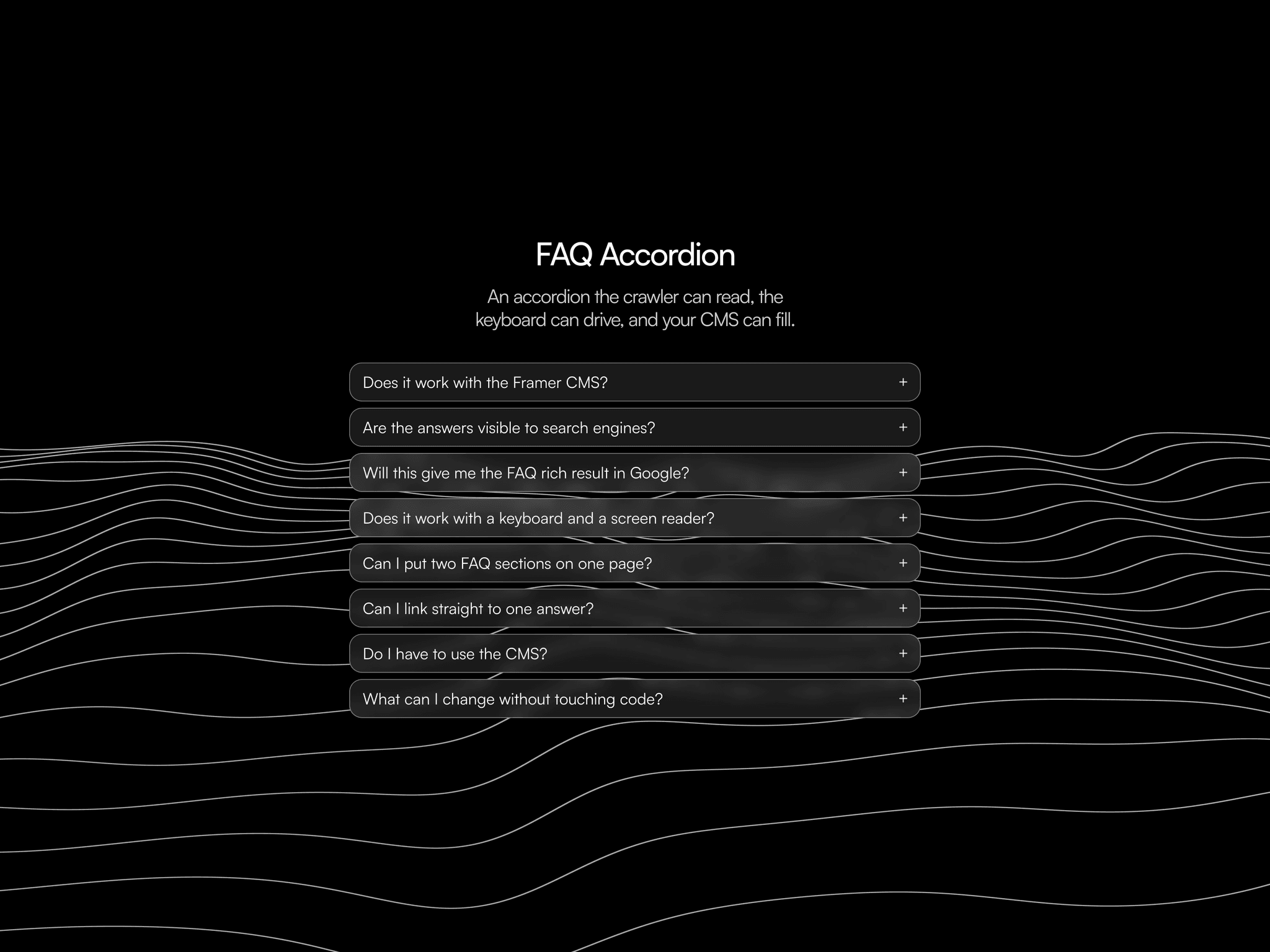
Just published CMS FAQ Accordion, free.

An FAQ whose schema is built from the same CMS rows it renders. Your client adds a question, the schema follows.

The usual way is to paste JSON into the page's Custom Code, where it can't see your CMS. It's a copy. Someone adds four questions, the page shows twelve, the schema still says eight, and nothing warns you.

One thing I want to be straight about: Google removed FAQ rich results in May 2026, so no component can promise you that dropdown any more. The schema is still valid, still read by Bing and by the answer engines, and it's a switch you can turn off.

The trigger is a real button, so the keyboard works without anything extra. And if you don't want a CMS at all, switch Source to List and type the questions in the panel. Same markup either way.

Vitor Farago
Vitor Farago2w

Framer paid me $53.83 this week. I didn't sell anything.

I delivered a site to a client. The plan stays in their name, the way it always does. Their site, their domain, their card. I don't touch that part.

The only thing I did differently was the handoff. Instead of telling the client to go sign up on their own, I sent the project over as a remix link from my account. Same Framer, same plan, same price for them. The link just carries my referral code.

They subscribed. $107.65. Framer sent half of it back to me.

And they knew. I told them before I sent the link. That's the only reason I can post about it. Hidden, it isn't a tip, it's a trick.

It's not much money. It buys coffee for a month. But it's money I left on the table in every Framer project I handed off before this one, and I never noticed.

If you build in Framer for clients and you've never opened the affiliate tab in your account, go open it. Takes two minutes, and it pays on the next handoff.

Vitor Farago
Vitor Farago1mo

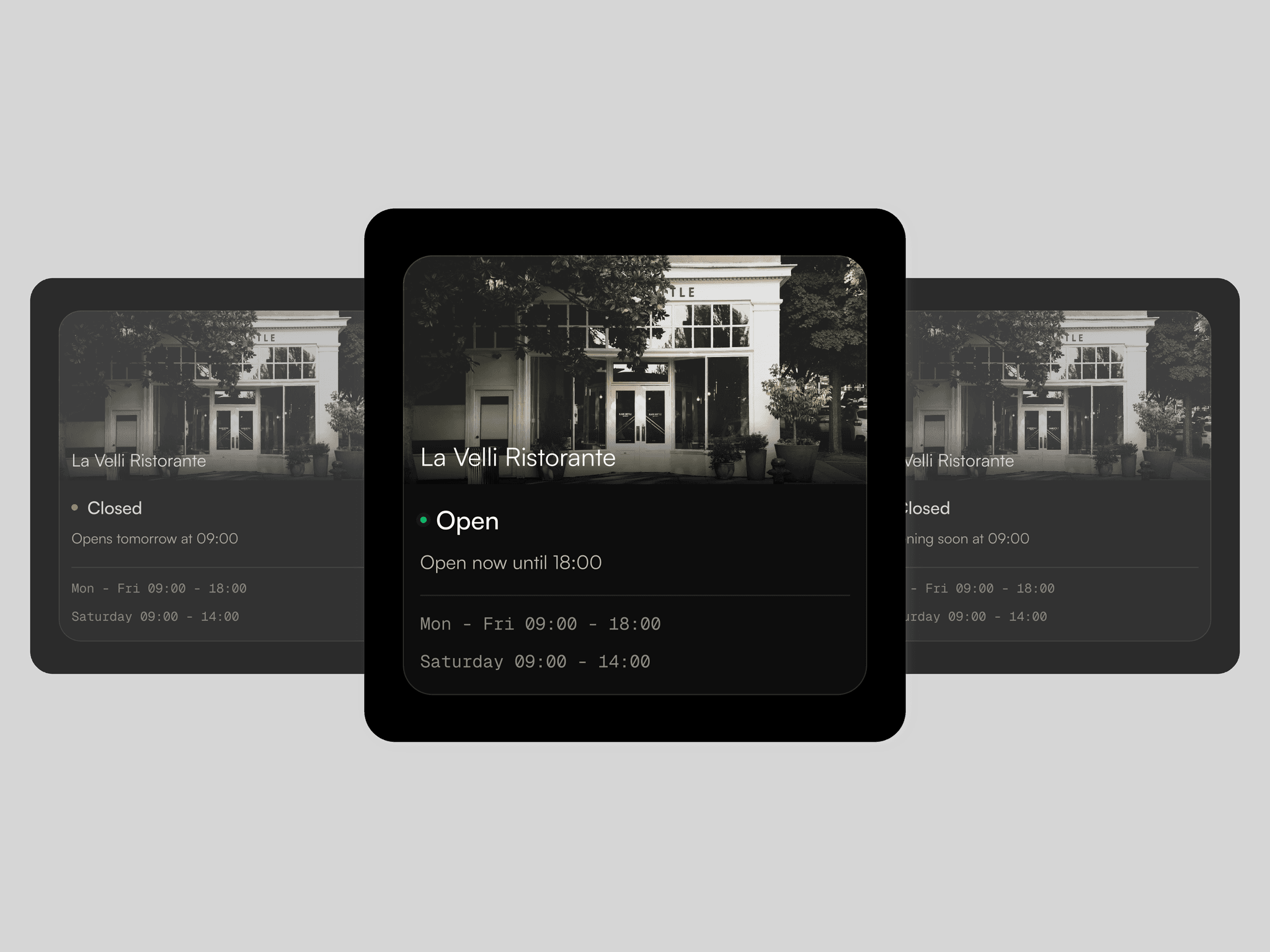
Just published Opening Hours — a live open / closed badge. Free.

It reads your weekly schedule and tells visitors whether you're open right now, and when you open next if you're not.

Two things it gets right that are easy to get wrong.

A bar open 18:00–02:00 is still open at 00:30. Most open/closed logic asks "is it before closing time", which is false at 20:00 — so the badge says closed while the room is full.

And it reads the venue's timezone, not the visitor's. Someone browsing from another country sees the same status as someone standing outside the door.

Four states rather than two: Open, Closing soon, Closed, Opening soon. "Closing soon at 18:00" still brings someone in. "Closed" doesn't.

Lunch breaks, per-day hours, and every word editable in any language.

Vitor Farago
Vitor Faragoin Marketplace·1mo

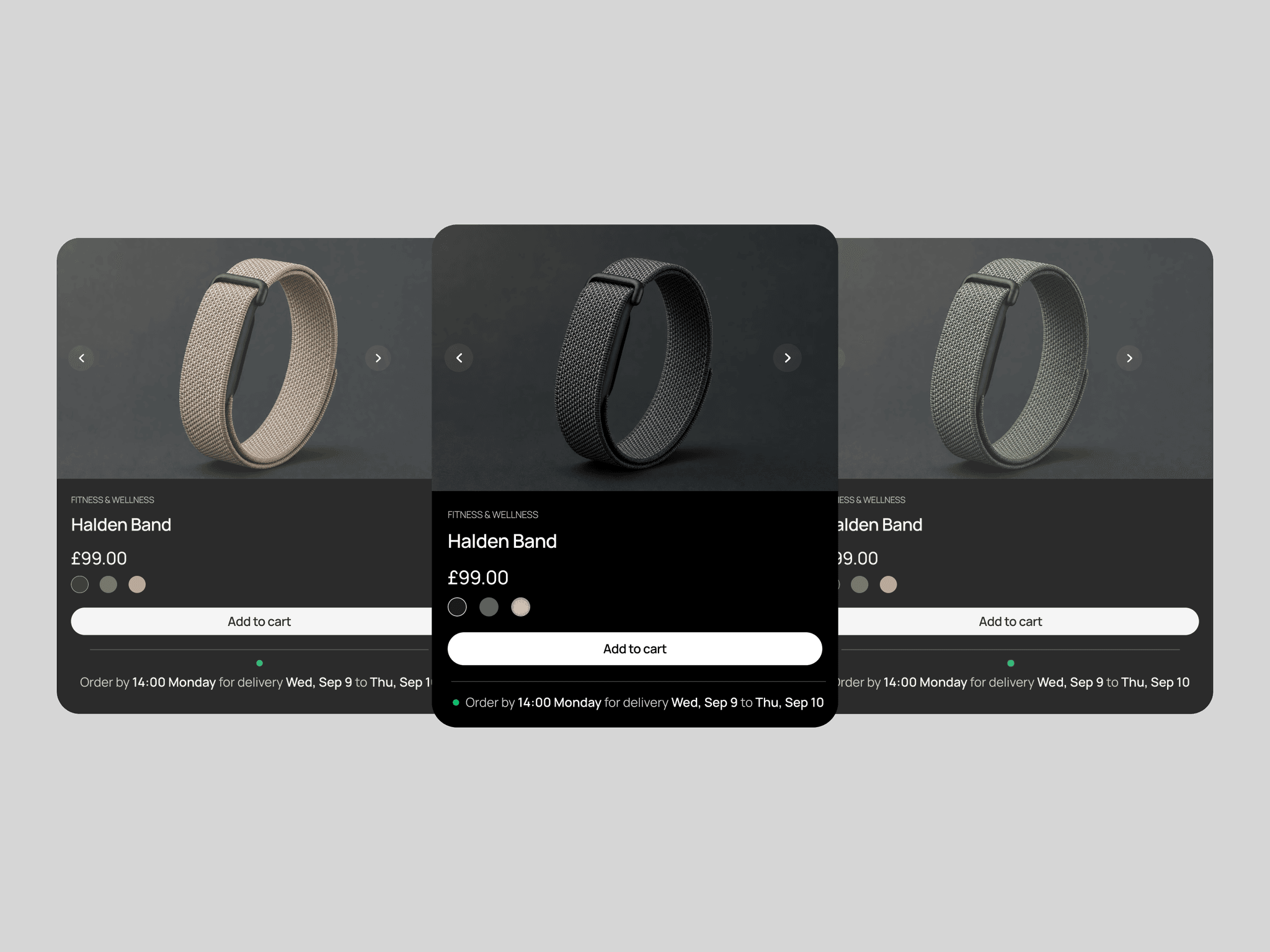
Just published Delivery Countdown.

"Order within 3h 12m for delivery Thursday, Sep 3" — the line that turns a product page into a decision. It works out the next dispatch deadline from your cutoff, your working days and your holidays, then counts down to it.

Two things it gets right that these usually don't.

It knows the warehouse ships Mon–Fri while the carrier delivers Mon–Sat. Treating those as one "business days" setting quietly costs a day on every Friday order.

And it knows about holidays. An order placed on 23 December, two to four days in transit, with no holiday list, comes back promising delivery on Christmas Day.

Every word is yours to write, in any language.

Vitor Farago
Vitor Faragoin Marketplace·1mo

Just published Open Status, free.

A live open / closed badge for restaurants, bars, cafes, clinics and salons. It reads your weekly schedule and tells visitors whether you're open right now — and when you open next if you're not.

Four states instead of two: Open, Closing soon, Closed, Opening soon. "Closing soon at 18:00" still brings someone in. "Closed" doesn't.

It handles a lunch break, uses the venue's own timezone rather than the visitor's, and gets hours that run past midnight right — a bar open 18:00–02:00 still reads as open at 00:30, on the previous day's hours.

Every word is yours to write, in any language.

Vitor Farago
Vitor Farago3mo

Aurora Architecture. A responsive Framer website designed around clarity, rhythm, and visual hierarchy.

The project was built to let the architecture take the lead, using a structured grid, image-driven layouts, and a restrained visual system across desktop, tablet, and mobile.

From the sitemap and content structure to the final responsive build, every decision was made to create a fluid user journey while preserving the studio’s minimal and refined identity.

Built in Framer with responsive layouts, CMS, SEO structure, and performance in mind.

Designed and developed by Studio Farago.