
Hamza A.
ExpertVerified Framer Expert and product designer creating clear, conversion-aware websites for startups and growing teams.
Verified Framer Expert and product designer creating clear, conversion-aware websites for startups and growing teams.
Where does your case study stall before it becomes a published Framer page?
Complete the sentence:
“My case study usually gets stuck when…”
The goal is to understand the actual bottleneck before designing UX Artifactly around it.
Using the same page template is not the problem.
Using the same story template can be.
A flexible Framer system can keep presentation consistent while allowing each case study to emphasize different evidence, decisions and outcomes.
The visual system can repeat.
The project story should earn its own structure.
Before building the page in Framer, collect the material that gives the page something meaningful to communicate.
Seven useful inputs:
The problem. Your role. The constraints. The artifacts. The decisions. The feedback. The outcomes.
Once those are clear, the layout has a job: make the evidence easier to understand.
Save this checklist before your next portfolio build.
A polished portfolio page cannot rescue an unclear case study.
Before layout, motion or presentation, the reader still needs to understand the problem, your role, the decisions that mattered and what changed.
When those answers are buried, even excellent visual design can make a weak story look more expensive—not more convincing.
Design the understanding first.
Then use Framer to make that understanding easier to scan, explore and remember.
What part of your project becomes hardest to explain once you start building the page?
Comment with the part that gets lost between the project and the portfolio.
Designing the final portfolio page is rarely the first problem.
Before opening Framer, you still need to decide what the case study should say, which evidence supports it and how the story should be structured.
When that foundation is missing, even a polished page can struggle to communicate the value of the project.
UX Artifactly is being created to help designers turn scattered project evidence into a clear case-study structure before presentation takes over.
The designer keeps the voice and creative control. The product helps make the underlying story easier to build.
Join the waitlist:
https://uxartifactly.framer.website/
#Framer #UXPortfolio #WebDesign
Your UX project may be finished, but publishing the case study can still feel like starting another one.
The evidence is scattered. The story needs structure. The final page has to work for a quick scan, a deeper read, and every screen size.
UX Artifactly is a product idea for closing that gap: helping designers turn project evidence into a clear, credible case study, then publish it as a responsive portfolio story.
The direction is evidence first and designer controlled. AI may help organize and clarify the material, but it should not invent outcomes or replace the designer's point of view.
If structured case-study storytelling would make your portfolio work easier to ship, join the early waitlist:
https://uxartifactly.framer.website/
What would make publishing a UX case study easier for you?
#Framer #UXPortfolio #ProductDesign
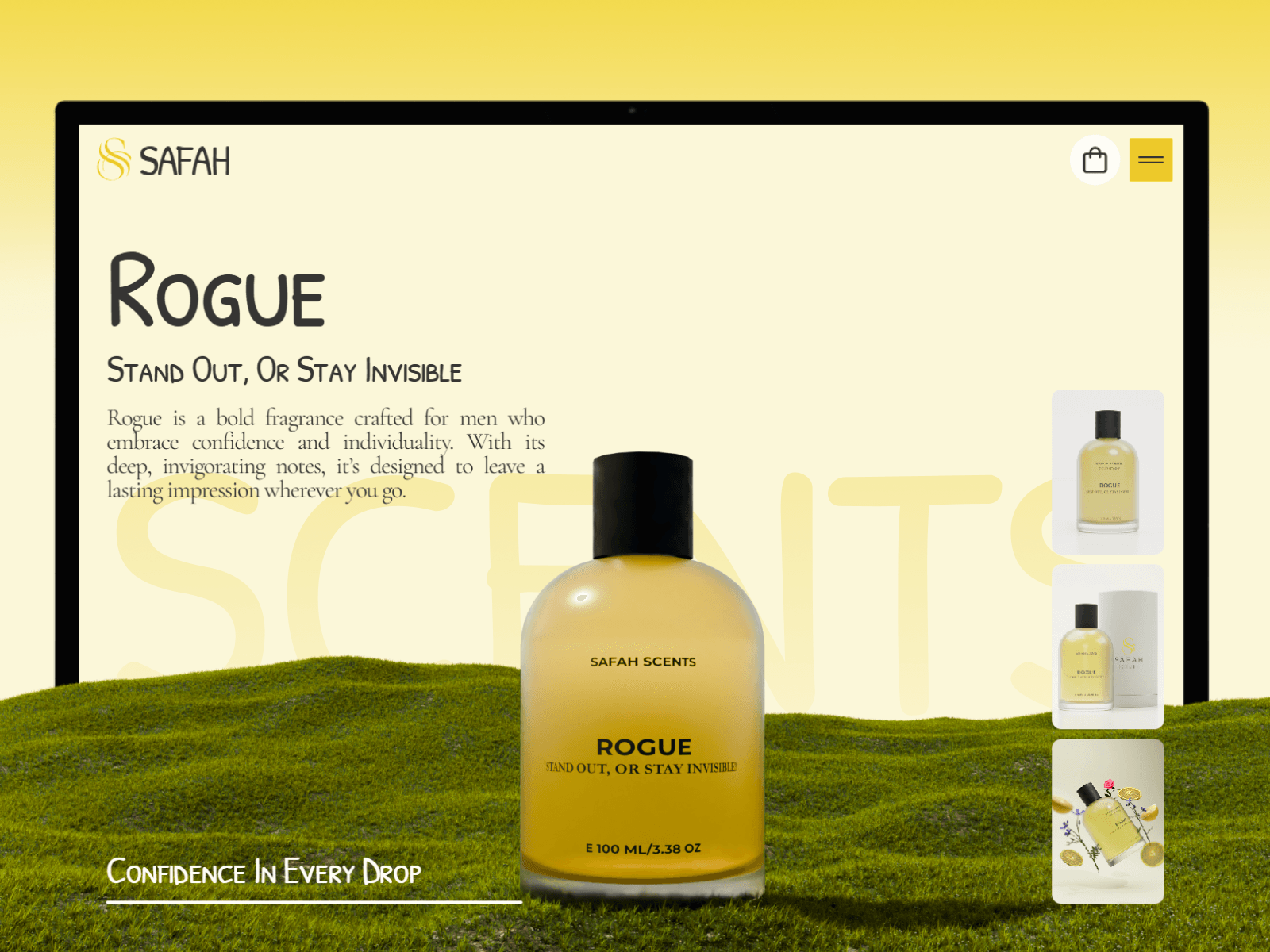
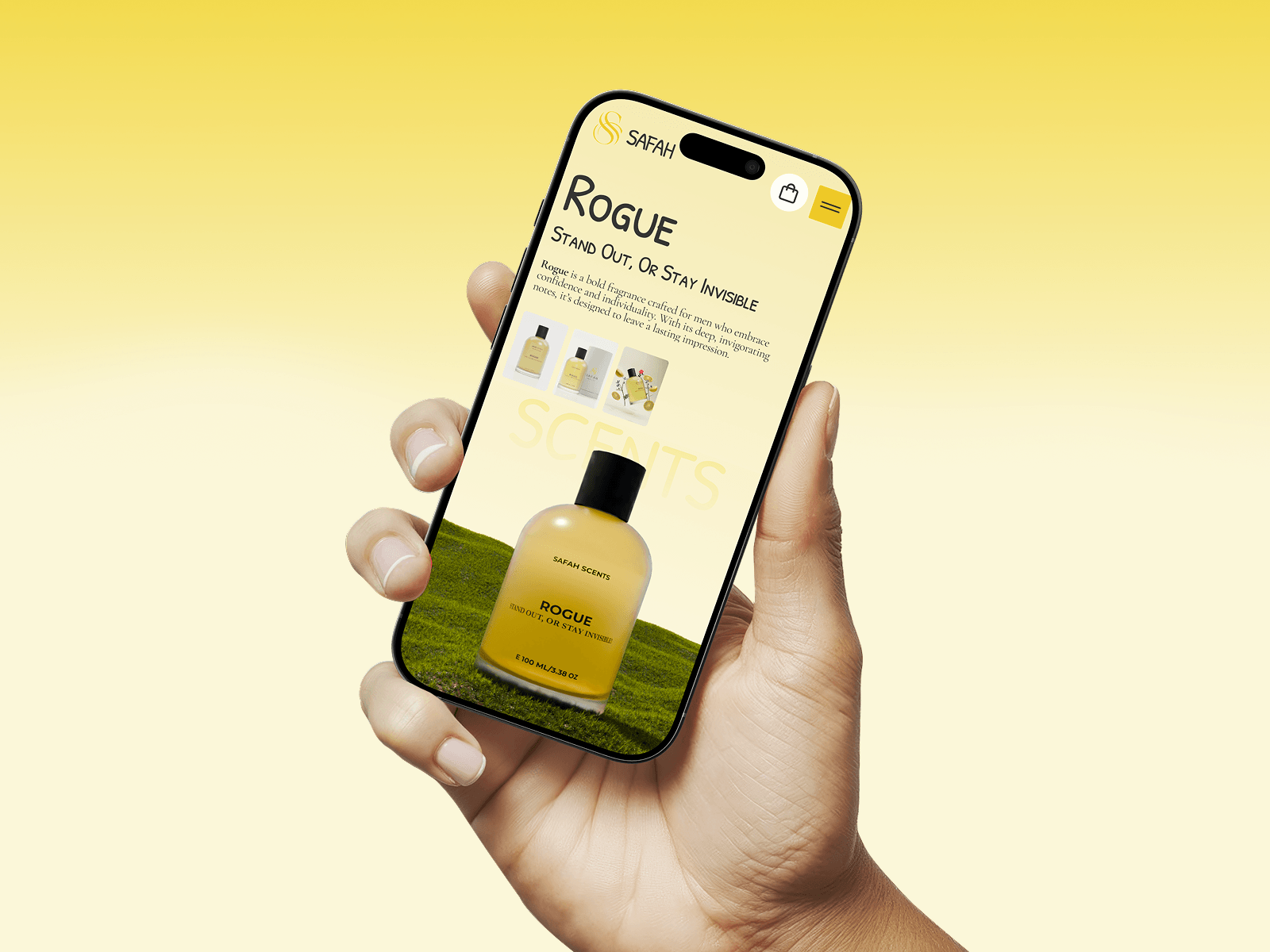
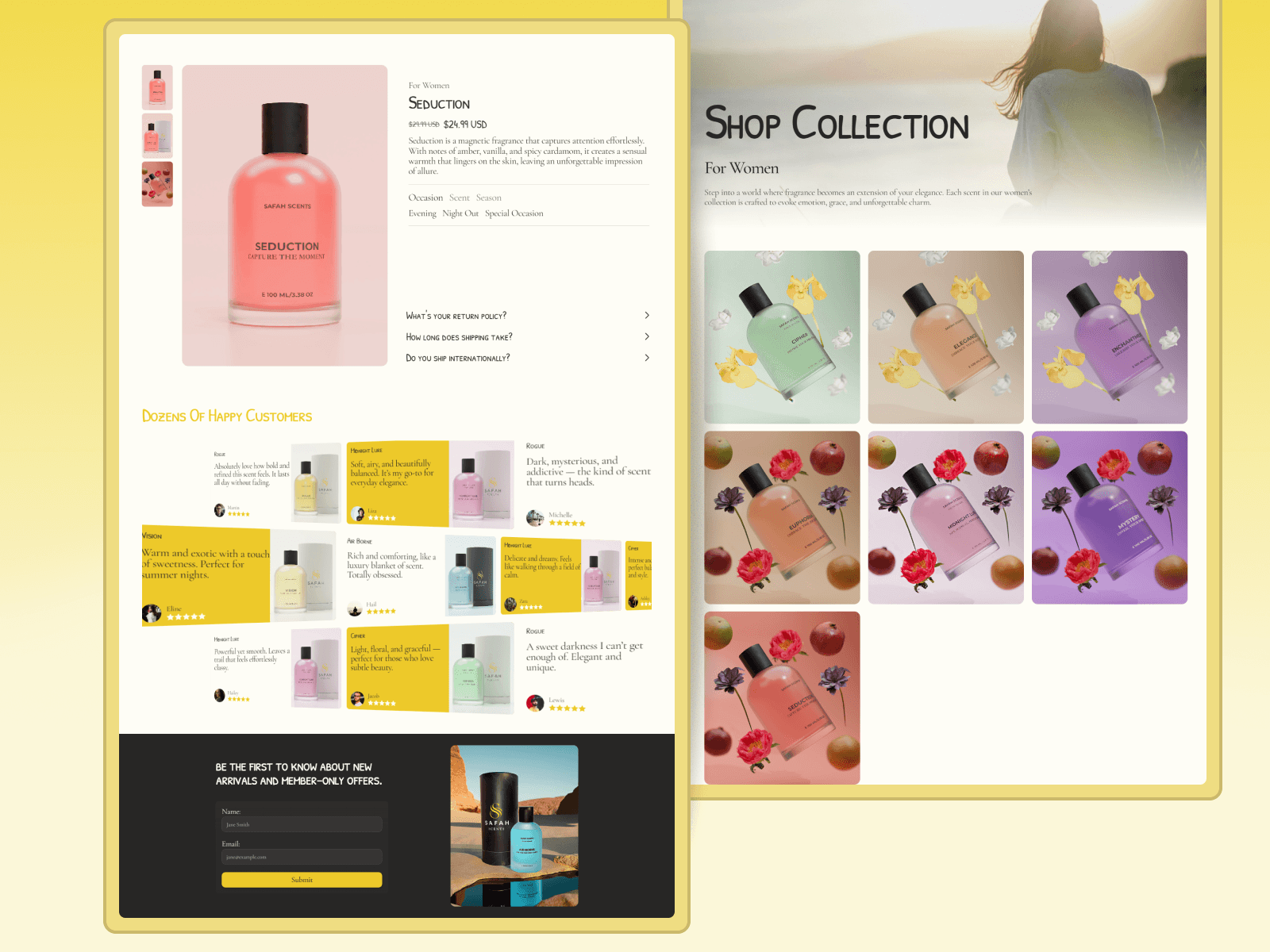
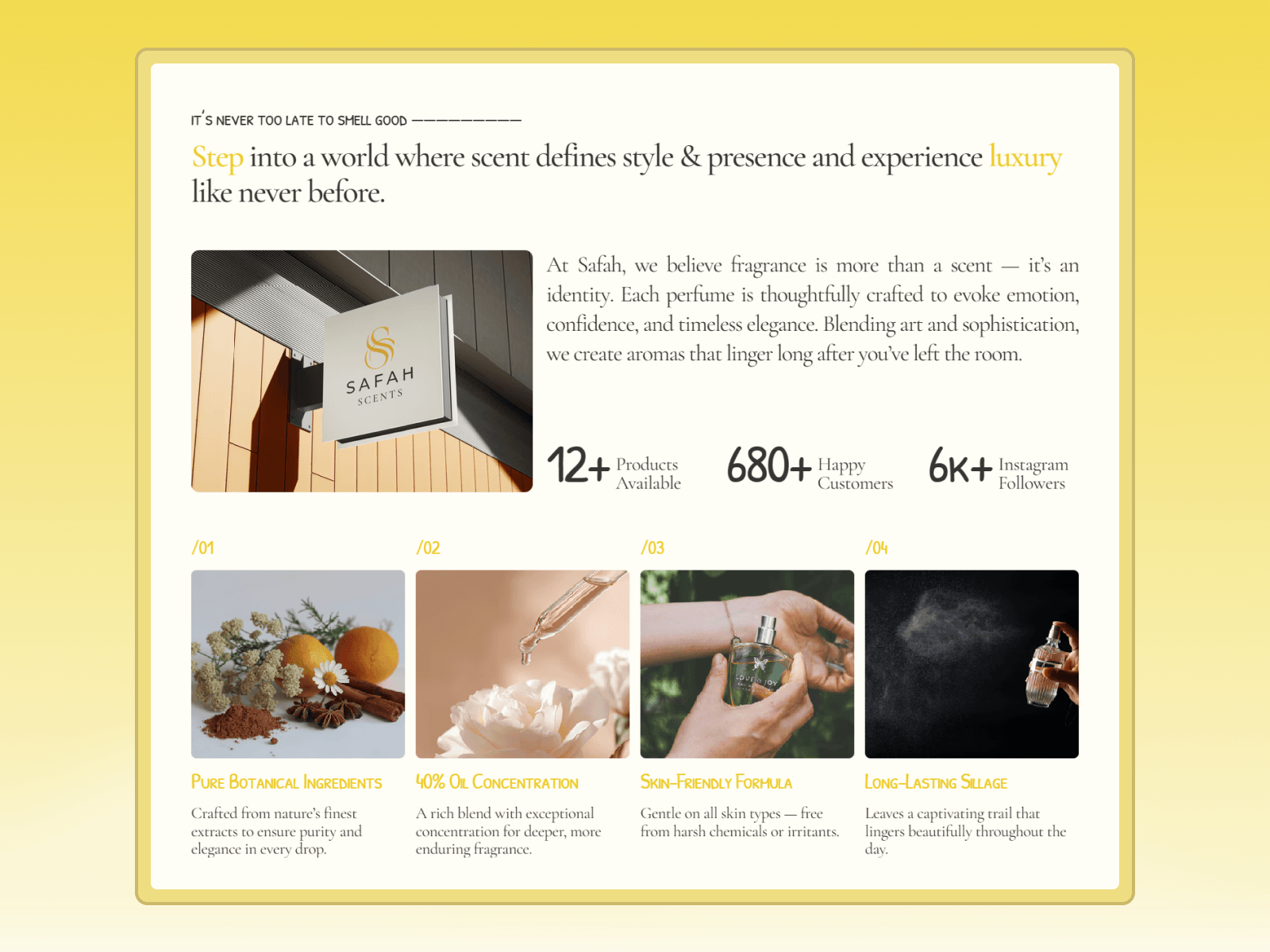
Was going through my past work and stumbled upon my first ever design in the UI/UX field.
It has changed a lot over the past years, and now I'm into solving problems through user experience over digital interfaces.
This was the final assignment for an Adobe XD course from Daniel Walter S.