Hey, is anyone else experiencing this weird bug? I can't use a single digit as the name for a color style?
London-based designer. Focused on what's essential, no features or decoration that don't earn their place. Less, done well, is always more.
Hey, is anyone else experiencing this weird bug? I can't use a single digit as the name for a color style?
A note to the @Framer team
I want to start by saying how much I admire the entire @Framer team. You've built a tool that allows designers to bring their ideas to life.
I still remember when Framer first launched as a prototyping tool. It was around the same time I started my career as a UI/UX designer at a startup. A fellow developer and I were deciding which prototyping tool to use. Long story short, we didn't choose Framer 😊. But we did attend one of your London events and I still remember the beer, the cold pizza and the excitement in the room. Looking at where Framer is today, it's incredible how far you've come. What a pivot. Huge credit to @Jorn van Dijk, @Koen Bok and the entire team. It's one of those rare business stories that's as inspiring as it is impressive.
For years, I've come to Framer for inspiration, to see what talented designers were creating and to learn from the community. From the very beginning, you've built something that feels genuinely special. The community has always been one of Framer's greatest strengths.
That's why it makes me a little (not so little) sad to see it becoming flooded with fake accounts and AI-generated spam (nothing against AI, by the way).
My only ask is this: please find a way to keep Framer synonymous with quality and genuinely creative work. I have no doubt this is already on your radar, and I'm optimistic we'll see improvements soon.
I genuinely want Framer to remain a place where originality, craftsmanship and thoughtful design are rewarded. It deserves that.
P.S. I just hope I don't wake up one day to find out Framer has been acquired by Adobe. 😄
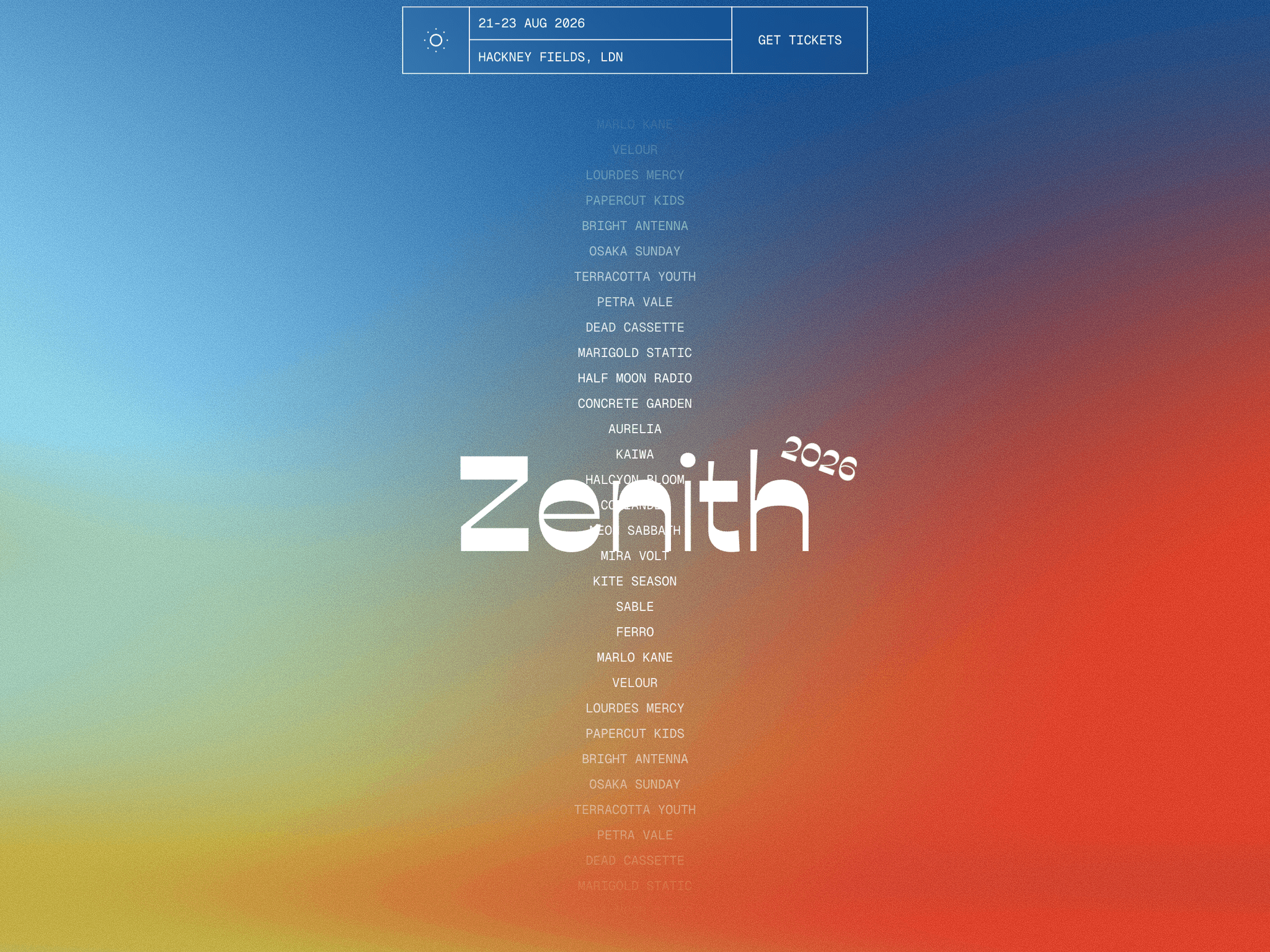
Made a thing this weekend: a one-page hype template for festivals and club nights.
Had way too much fun with the shader that mimics a sky in hot summer day. Everything else is dead simple but built on a solid grid with proper typography: lineup, schedule, a fun essentials section, done. No ticketing, no bloat, just an eye-catching page a promoter can build in an afternoon.
Free as always 😁
New free construction template that doesn't look like it's from 2004
A month ago I was hunting for a builder to do some renovation work and worked through tens of their websites. It was like time-travelling to the early 2000s, stock photos of a man in orange hi-vis giving a thumbs up, homepages the length of essays, barely any actual work shown and load times that let me make a coffee.
I nearly skipped a few genuinely good local firms purely because their sites made me not trust them. Felt unfair, people who are brilliant at building, let down by a website that looks like a scam.
So I built the template I wish they'd had.
Hartwell is a clean, no-gimmicks template for builders and renovation firms. Well-thought-out structure, shows the work, process and obvious how to get in touch. Looks premium even for a small outfit and complete whether they've got a full portfolio or barely any photos.
I've decided to share one of my first Framer websites from over a year ago.
This project was commissioned as part of the preparations for an upcoming book and film about Roy Tempest, one of the most controversial figures in the history of the British music industry. The goal was to create a narrative-driven website that tells his extraordinary story through editorial design and storytelling.
Working on this project reminded me why I've been waiting for a tool like Framer for so long. It finally lets designers focus on crafting experiences instead of fighting the technology.
Huge credit to the @Framer team for making that possible.
New website just published, built for a client and friend, Thomas W. Hodgkinson, a freelance journalist (The Times, The Spectator, Financial Times, etc.). He needed a clean home for his archive of reviews, features and scripts, so I kept it stripped right back: lots of white space, a single serif, no clutter. The animations are very subtle and intentional too, nothing showy, just small movements that guide the eye and never pull focus from the words.
There's a little easter egg in there as well: the way his name animates in makes a quiet point of the "W.", turns out there's another journalist with the same name, and my friend is very particular about not being mixed up with him, so the middle initial had to earn its moment.
I’d like to get a clearer picture of how my Framer Marketplace template is performing.
60 days ago, I published my first and so far only free template. These are the current stats:
Views: 1,442
Unique viewers: 1,026
Impressions: 15,194
Users: 212
Total remixes: 241
The template has generated just over $400 in commissions so far.
Would you consider this below average, average or above average performance for a free Framer template after 60 days? I’m just trying to get a better sense of how these numbers compare.
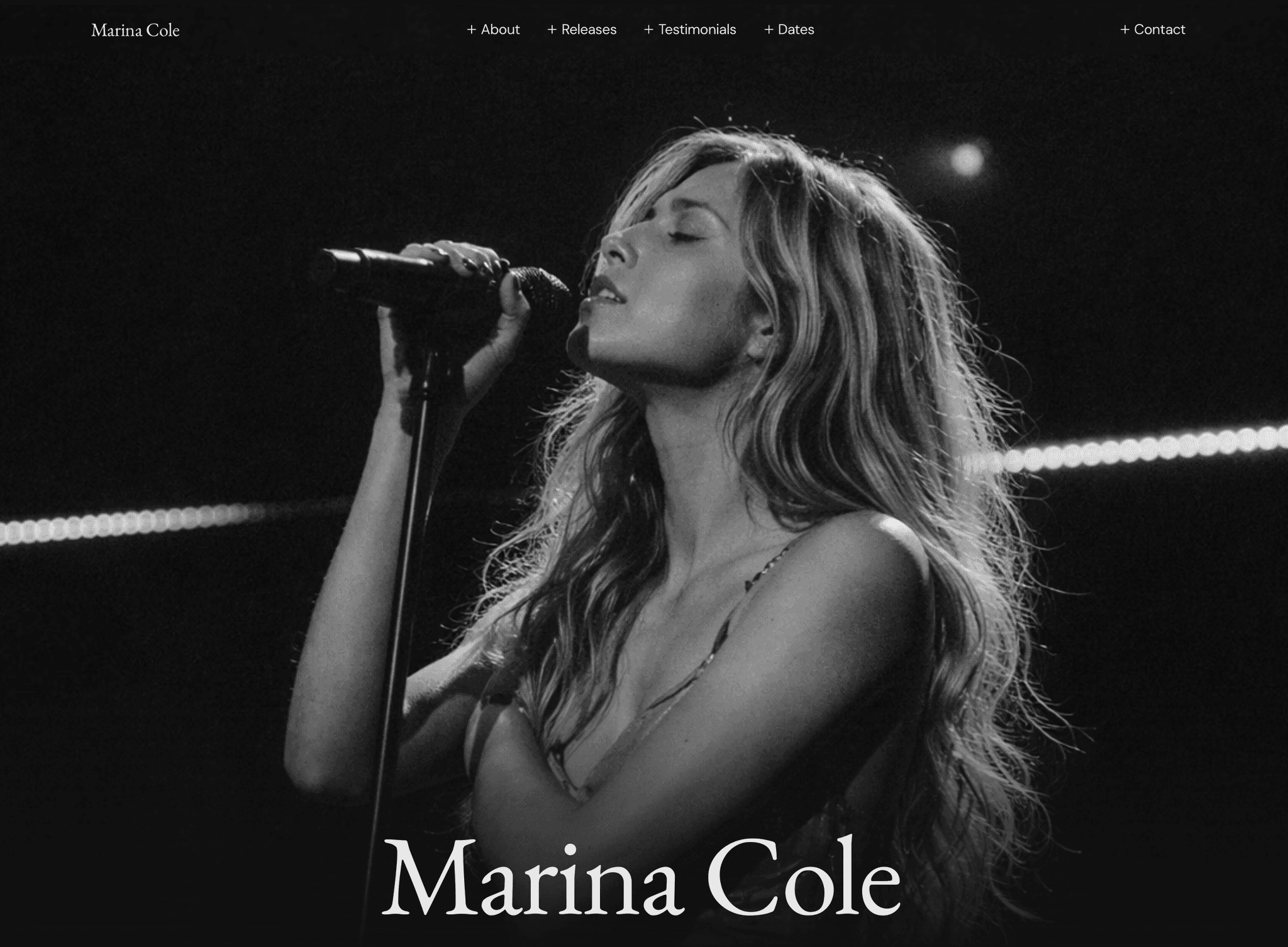
A simple portfolio template built for freelance musicians who perform in the rooms that matter, jazz clubs, hotel bars, private dining rooms, corporate events. Simple and focused in function.
[Self promotion 😄]
I have mixed feelings about @Framer removing the template review process.
On one hand, I understand the business decision. Reviews take time, cost money, and can become a bottleneck as the marketplace grows.
But on the other hand, getting a template accepted felt special.
Knowing that your work had been reviewed by other designers, scrutinised and ultimately approved gave a real sense of accomplishment. It wasn't just about getting listed in the marketplace, it was validation from peers that your work met a certain standard. The confidence boost and satisfaction were huge.
Now that anyone can publish anything, that signal is gone. The marketplace becomes more open, but also less meaningful as a mark of quality.
Personally, I think there could have been a middle ground. If reviewing every submission internally became too resource-intensive, why not empower a group of trusted creators and experts to help review and curate templates? I imagine many would happily contribute, perhaps even voluntarily, simply because they care about maintaining the quality of the ecosystem.
Framer is still my favourite tool by a mile. What the team has achieved is incredible, and they deserve enormous credit for it. This is just one of the few decisions where I'm not convinced growth and openness should come at the expense of curation and recognition.
